



By Matthew Wagner
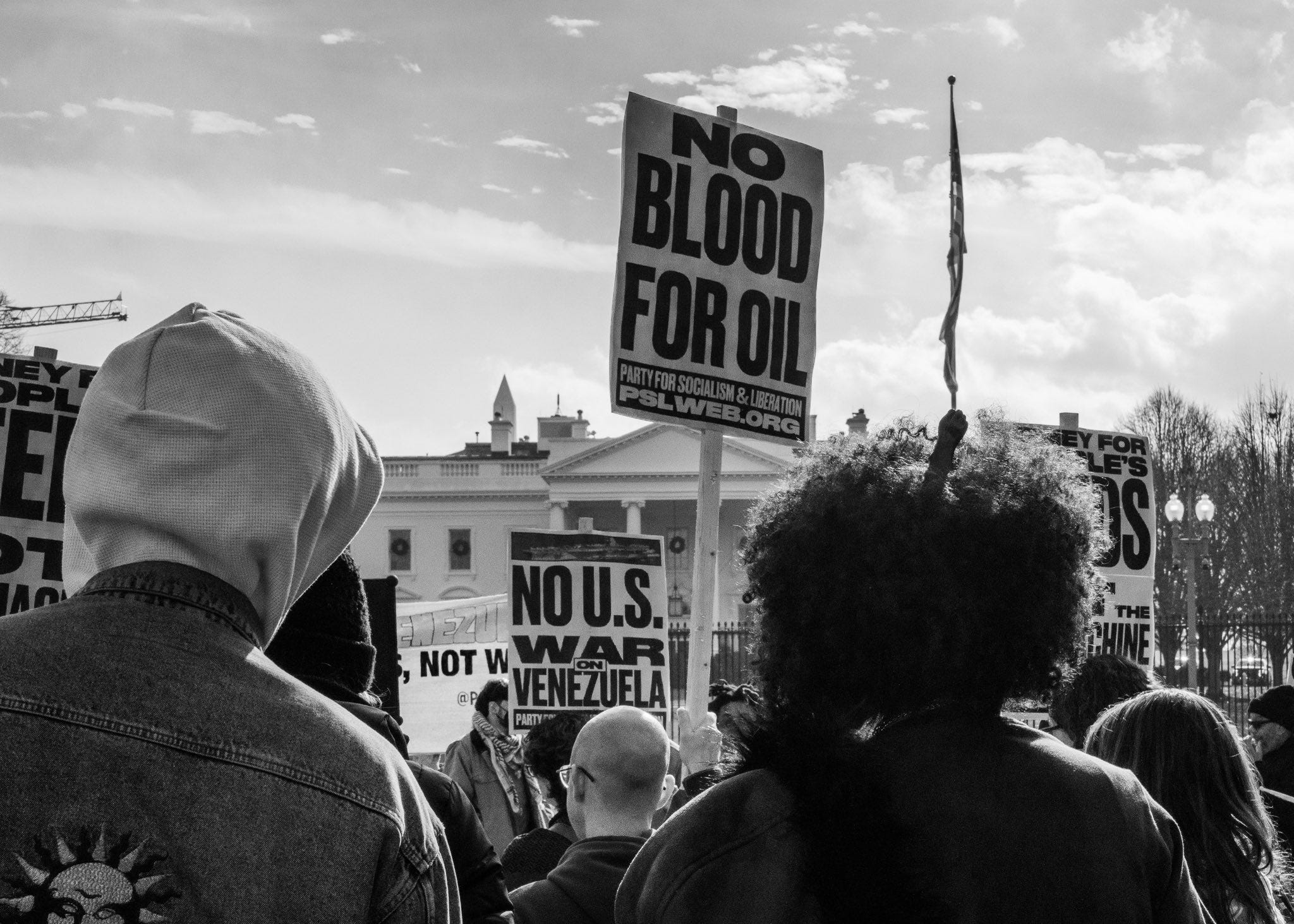
If you wanted to provoke a war with Venezuela, you wouldn’t start with tanks on a beach. You’d start smaller and with plausible deniability. You’d strike from a distance. You’d frame everything as “defense” and “drug interdiction.”
You’d do exactly what the Trump administration is doing right now.
Since early September, the United States has been carrying out airstrikes on small boats in the Caribbean and eastern Pacific, destroying more than twenty vessels and killing over eighty people. The White House calls them “narco-terrorist boats.” The Pentagon says this is a war against cartels tied to Nicolás Maduro and other criminal networks.
But here’s what’s missing: evidence.
The administration has not released public proof that the people blown up at sea were cartel commanders or “terrorists” rather than poor fishermen, fuel carriers, or desperate workers trying to survive in a broken economy. Families in Venezuela, Colombia, and Trinidad & Tobago say some of the dead were exactly that —fishermen and small-scale trades—people who left home to earn money and never came back. In at least one case, a Colombian fisherman’s family has filed a complaint saying he was adrift and signaling distress when his boat was hit.
Legal experts, human-rights groups, and UN officials are sounding the alarm. Drug trafficking is supposed to be handled as a law-enforcement issue, where lethal force is a last resort only when there’s an imminent threat to life. Instead, Washington has declared a kind of private “war at sea” and is using that label to justify bombing people without trial, charges, or transparency.
One strike in particular has cut through the noise. A U.S. attack on a boat in the Caribbean killed most of the crew — then, according to reporting and leaked accounts, a second strike was ordered on the wreckage, killing survivors who were clinging to what was left of the hull. That’s the kind of thing the Pentagon’s own Law of War manual explicitly says you cannot do. Attacking the shipwrecked is one of the oldest, clearest red lines in the laws of war.
This isn’t “tough on crime.” It’s a deliberate decision to treat suspected smugglers as enemy combatants in a war only one side has declared.
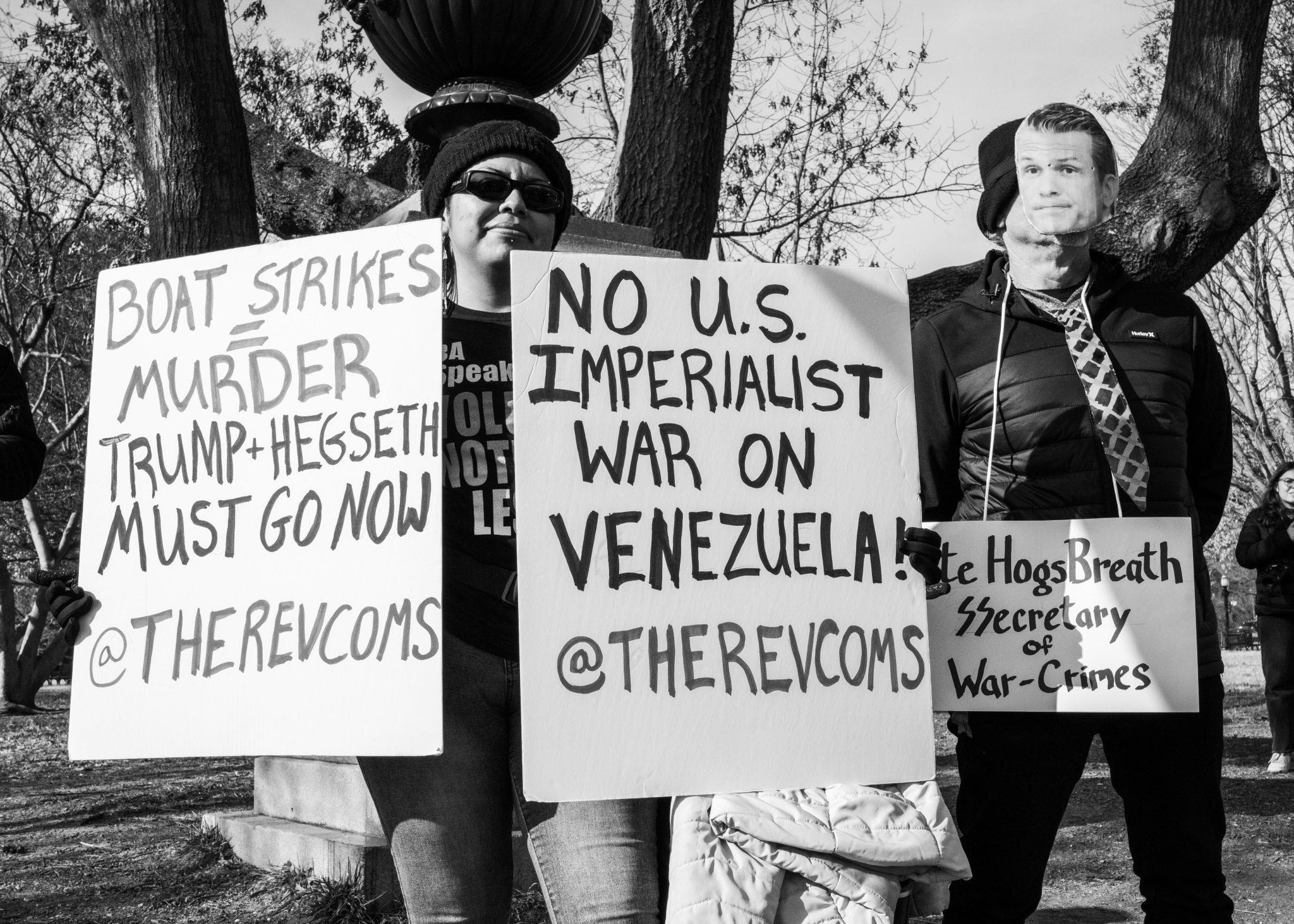
The Tanker: Taking What Matters Most
Fast-forward to today. As if the airstrikes weren’t enough, U.S. forces have now boarded and seized a massive crude oil tanker off the coast of Venezuela. A long-sanctioned ship called The Skipper was carrying over a million barrels of heavy Venezuelan oil, with a large portion reportedly bound for Cuba.
Trump announced the seizure like a trophy. He called it the largest tanker the U.S. has ever taken. Said it was “for a very good reason,” and even suggested the U.S. might simply keep the oil. He did not clearly explain what legal authority he’s relying on, what the endgame is, or what happens to the cargo next.
Seen from Caracas, or from any small coastal town that depends on fishing or fuel trade, the picture looks very different from the one painted on Fox News. First you watch foreign jets blow up boats from your shoreline. Bodies wash up miles away. Families get partial stories and no accountability. Then, while everyone is still arguing over whether those people were “narco-terrorists” or just poor men with the wrong job, a foreign navy shows up and takes a fully loaded tanker of your country’s main export.
No wonder Venezuela’s government is calling it piracy. No wonder people there are asking: if they can do this once and get away with it, what stops them from doing it again and again?
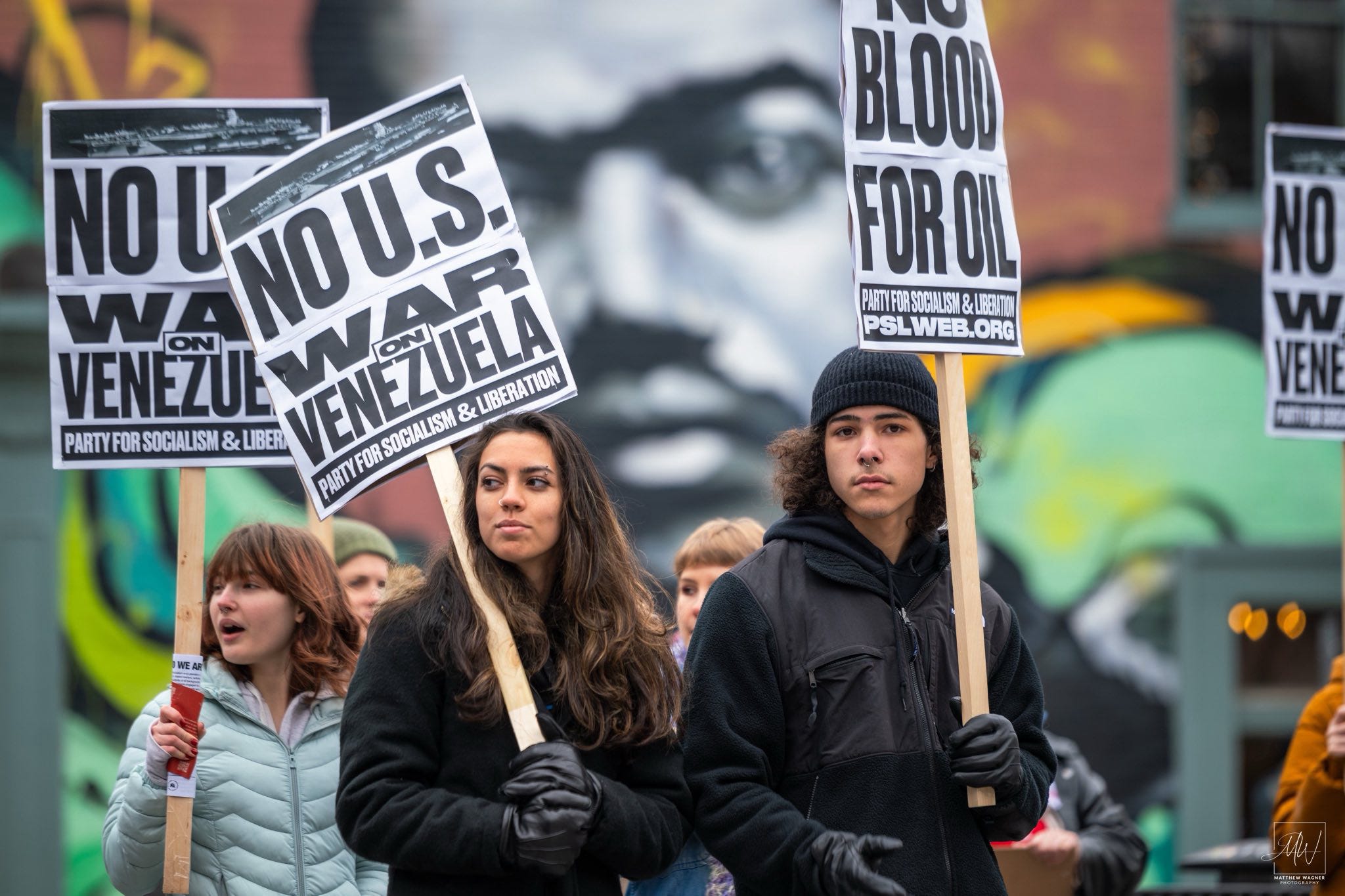
The Neighbor Analogy
So let’s put this in terms most people can feel.
Imagine I’m your neighbor.
I don’t like you. I don’t like your politics. I don’t like how you run your household. One night I come over with armed friends. I kill your pets. I shoot at your family. I dump bleach into your fish tank. As I leave, I grab some things from your house on the way out.
The next morning, I go on national TV and say, “They were a drug house. They were dangerous. Trust me, I live right next door. I know.” I refuse to show security footage, texts, or anything that would prove my claims. I just repeat, louder and louder, that I was justified.
Your other neighbors watch this. They’re nervous. I’m wealthier than they are. I have more lawyers than they do. They don’t want trouble. They tell themselves it’s safer to look away.
But I’m not satisfied. I wanted you to retaliate so I could say, “See? They’re violent. I told you so,” and justify going even further. When you don’t, I wait a bit. I watch you relax. Then I come back and take something that really matters to you — your car, your savings, the last thing holding your household together.
At that point, what are you supposed to do? How many times can you be robbed and attacked before you decide that not fighting back just invites more aggression?
That is where Washington is trying to put Venezuela: in a position where any reaction can be spun as justification for even more force.
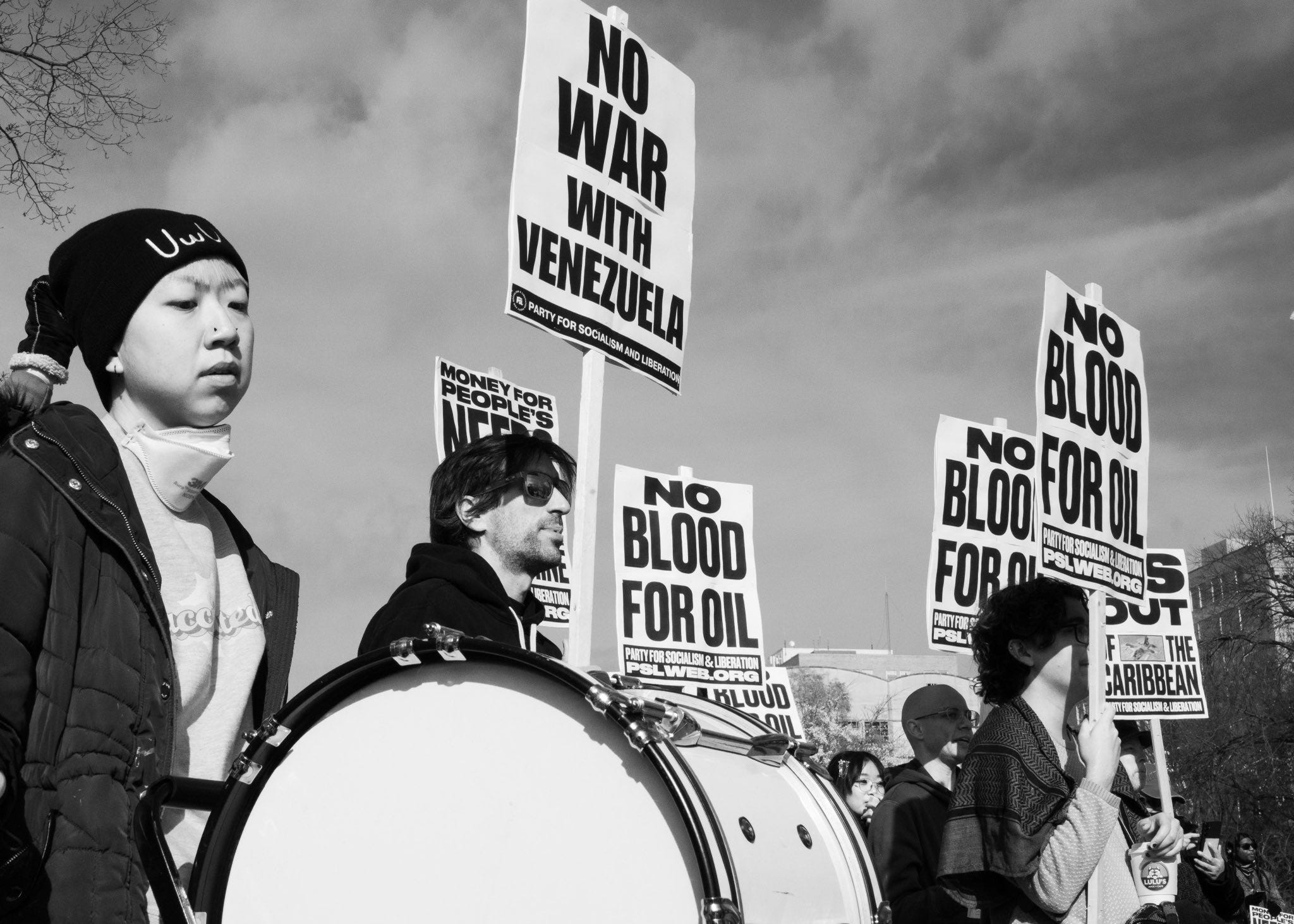
From “Drug War” to Regime Change
This isn’t just about cocaine or fuel smuggling. The strikes and the tanker seizure are part of a larger pattern:
• A major U.S. naval buildup near Venezuela, with warships and aircraft positioned close enough to support an invasion.
• A domestic political narrative painting Maduro as a narco-terrorist and tying him to every boat the U.S. destroys.
• Talks inside the administration about “taking the fight to land” and expanding strikes beyond the sea.
• A growing chorus of hawks openly fantasizing about regime change and control over Venezuelan oil.
Meanwhile, the International Criminal Court is no longer just a distant backdrop to this story — it sits uncomfortably close to Trump’s actions. The ICC already has an open Venezuela file focused on crimes against humanity by Maduro’s security forces, and a separate investigation covering alleged U.S. abuses in Afghanistan. Formally, the court has not opened a case on Washington’s boat strikes or the tanker seizure, but legal experts say this is precisely the sort of pattern a future prosecutor could fold into a broader look at regional crimes. Trump is behaving as if he sees that risk coming: his administration is threatening new sanctions on ICC officials and demanding changes to the court’s founding treaty that would effectively grant him and his top aides immunity. He is trying to slam the door before The Hague can even knock — because if the court ever did move from watching to indicting, an arrest warrant would instantly turn dozens of ICC member states into places he could no longer safely set foot.
When a government believes its actions are clearly lawful, it doesn’t usually try to kneecap the court that might judge them.
⸻
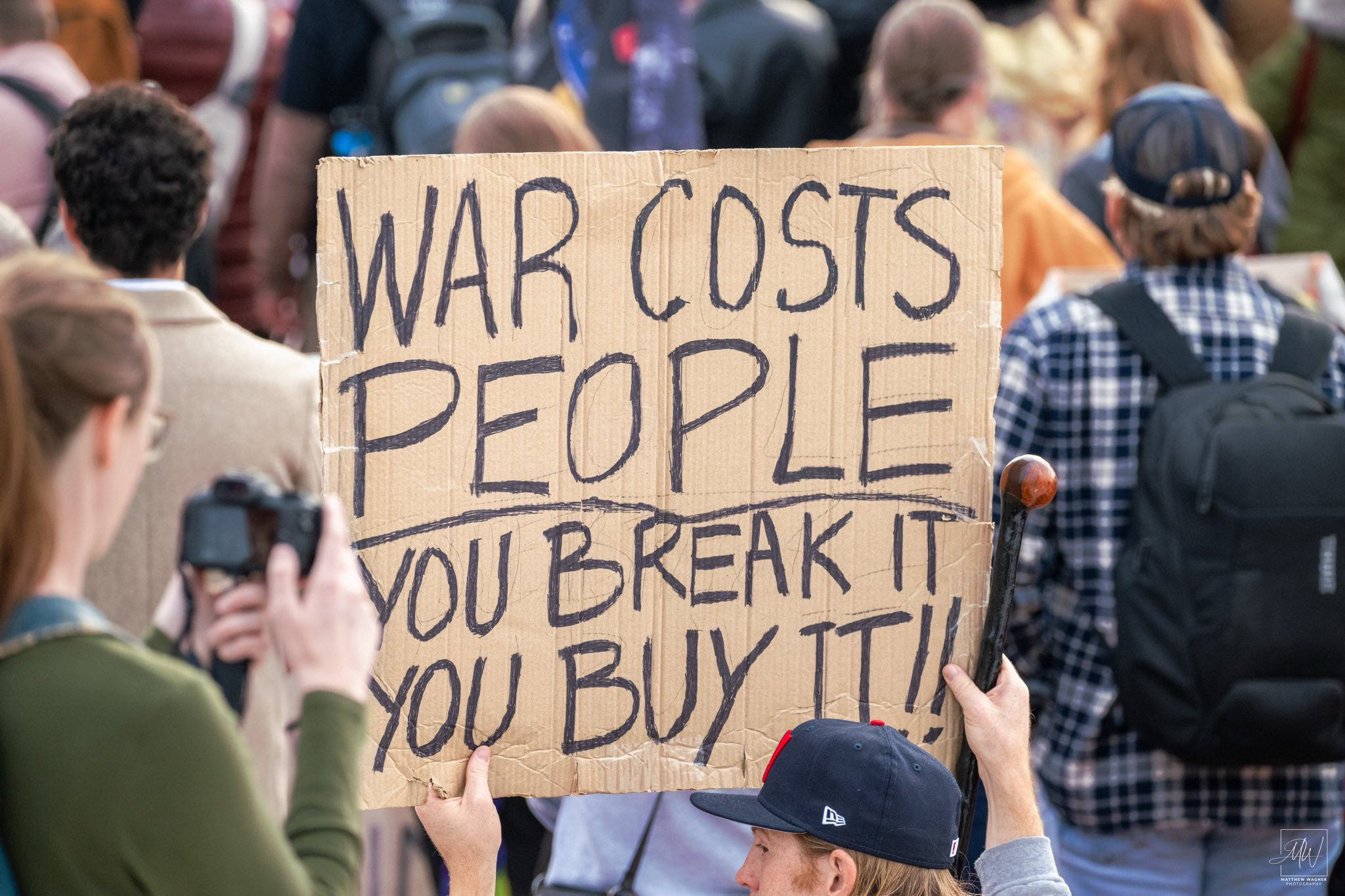
What This Means For Us
Here’s the bottom line:
• Lives are being lost now — mostly poor men on small boats, far from any judge or jury.
• Evidence is thin and tightly controlled. We are being asked to trust secret intelligence while families, local officials, and independent reporters tell a very different story.
• The legal case is shaky at best. Human-rights lawyers and UN officials are already calling these strikes extrajudicial killings and possible war crimes.
• The strategy escalates risk of a wider conflict. Seizing a massive oil tanker off a rival’s coast is not a “routine” law-enforcement action. It’s a signal. It tells Venezuela — and every other country watching — that Washington is willing to use hard power to squeeze enemies and control energy flows.
And for what? To install a different government in Caracas? To send a message about who controls this hemisphere? To score points on cable news?
Whatever the motives are, they are not worth the lives that will be lost if this spirals into open war— Venezuelan lives, American lives, any life! They are not worth the further erosion of our moral standing when we’re already under scrutiny for past crimes in other conflicts. They are not worth dragging ordinary service members into legally dubious operations that could haunt them for the rest of their lives.
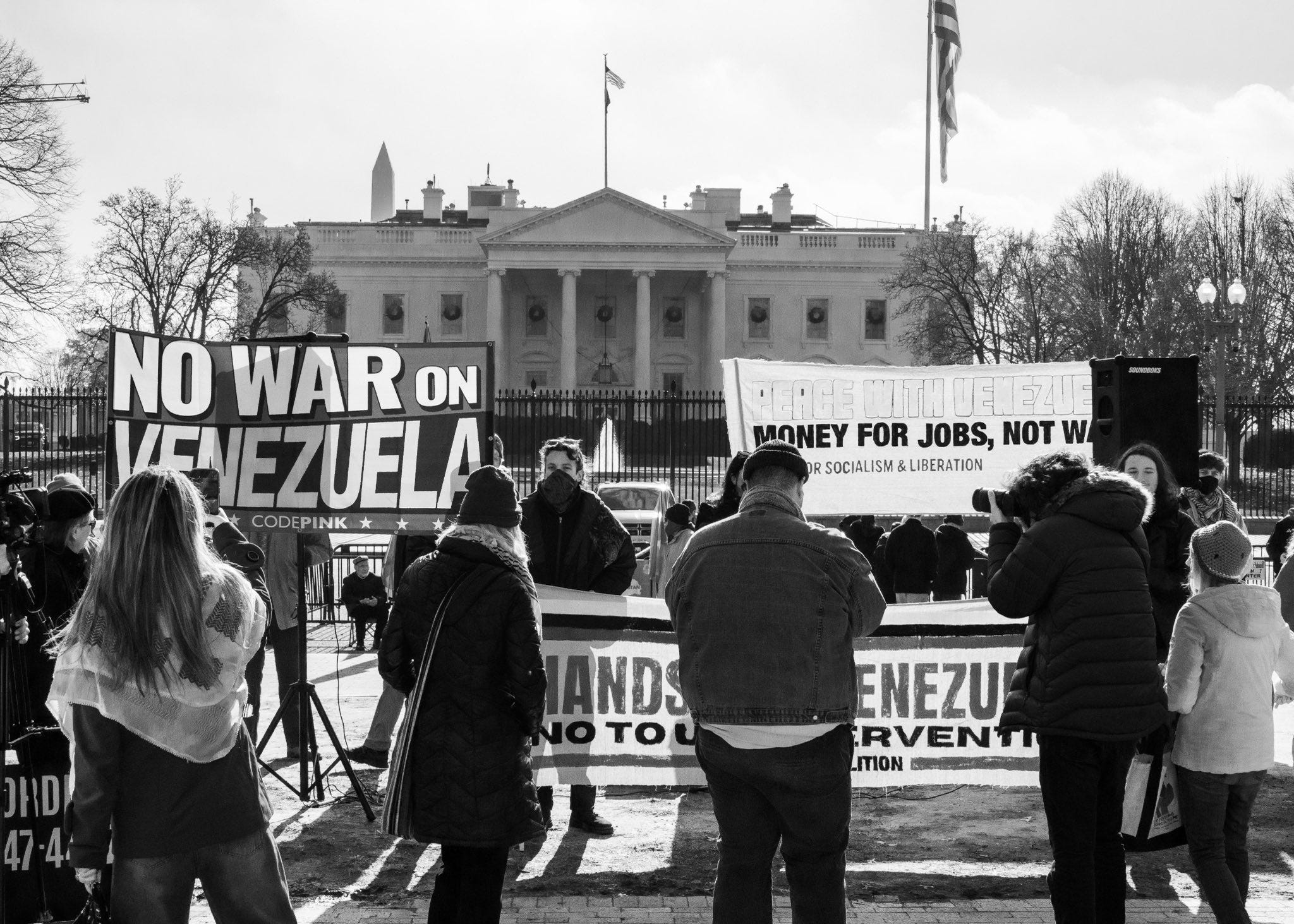
What We Can Do
We don’t get to sign off on these strikes. But we do get to decide whether we stay silent about them.
You can:
• Call your representatives and demand public hearings on the boat strikes and the tanker seizure. Ask for the legal memos, the rules of engagement, and the unedited videos to be released.
• Support independent journalism and human-rights groups documenting what’s happening in Venezuela, Colombia, and the Caribbean.
• Refuse the lazy “drug war” framing. Ask for evidence — not slogans — whenever someone tells you blowing up boats and seizing tankers is “keeping us safe.”
I’m not pretending to know everything about Venezuela’s internal politics. I’m not defending Maduro. What I am saying is simple:
A president who treats international law as optional, human lives as expendable, and war as a political prop is a danger to all of us.
Whatever you think of Trump, ask yourself: is any of this worth the risk of another catastrophic war, with our children and theirs caught in the middle?
If the answer is no, then this is the moment to wake up, educate yourself, and make noise — before someone in Washington crosses a line we can’t walk back.
Expertly written article
Restacked.