


Free press rarely dies in a single dramatic moment. More often, it erodes through a series of “reasonable” decisions — an editorial delay here, a corporate shakeup there, an algorithmic tweak that no one can fully explain. Each step feels small. Together, they change what a society is able to see, know, and challenge.
Start with a simple question: If someone could shape what you see every day - what stories reach you, what disappears, what gets labeled “unreliable” — how long before they could shape what you believe?
That’s not a theoretical concern. It’s the first lever authoritarian systems reach for, because information control makes every other form of control easier.
How authoritarian power works: control the story, control the public
Authoritarian regimes don’t require unanimous support. They require something more practical: a public that is confused, exhausted, and unsure where truth lives.
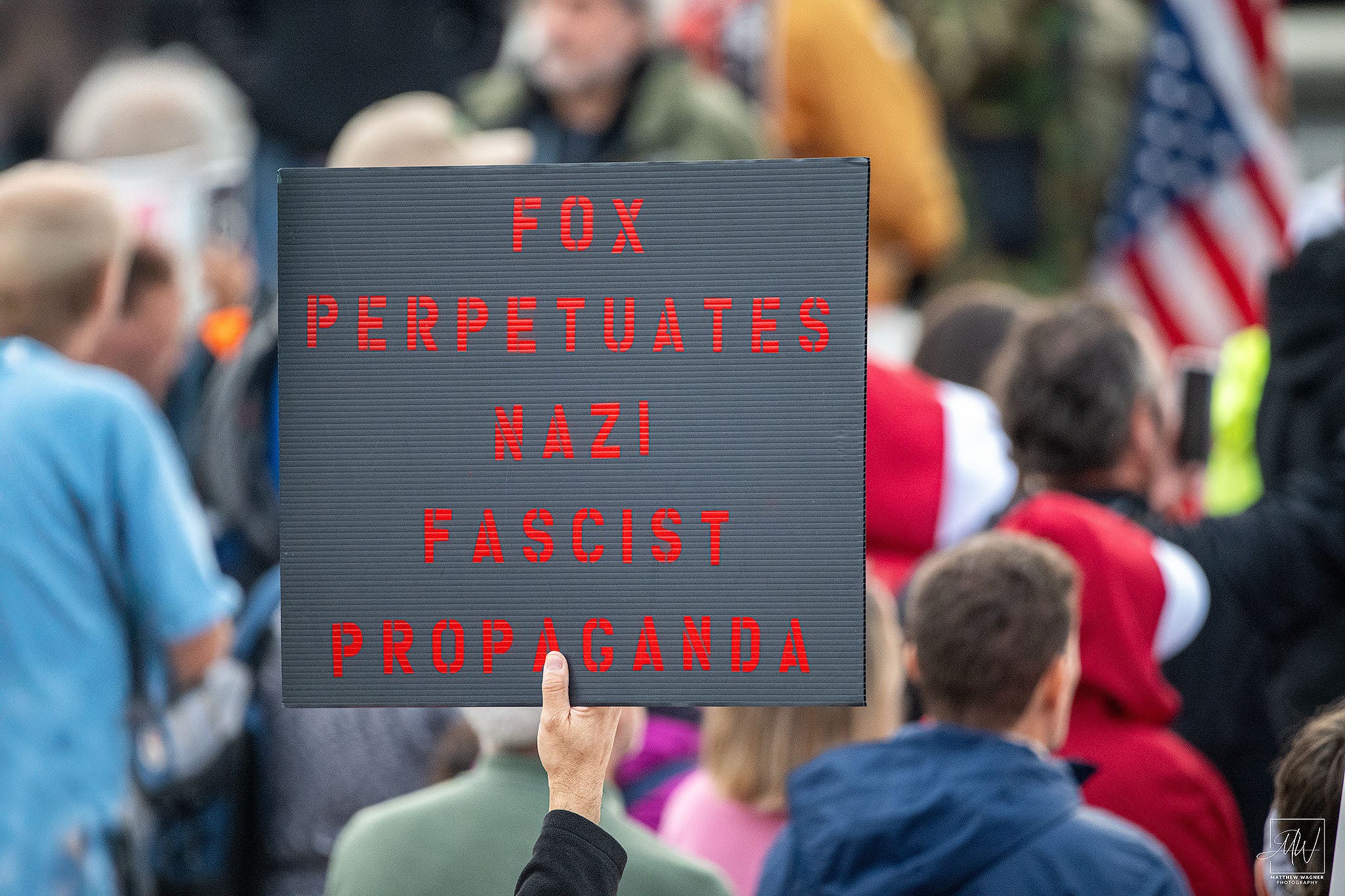
In Nazi Germany, propaganda wasn’t ornamental. It was infrastructure—built to dominate culture and media, to normalize the regime’s worldview, and to isolate dissent. In modern Russia and China, the methods are updated but familiar: a combination of restrictions, intimidation, and narrative management designed to make independent truth harder to access than the official story.
The American system is different — constitutionally, legally, historically. But the underlying vulnerability is the same: if the channels of information are captured, the public’s ability to hold power accountable collapses. The mechanism may not look like a state censor’s stamp. It can look like corporate ownership, platform control, and coordinated pressure that produces the same outcome: narrowed reality.
So the question becomes: are we watching that mechanism take root here?
The new choke points: ownership, platforms, and “soft” suppression
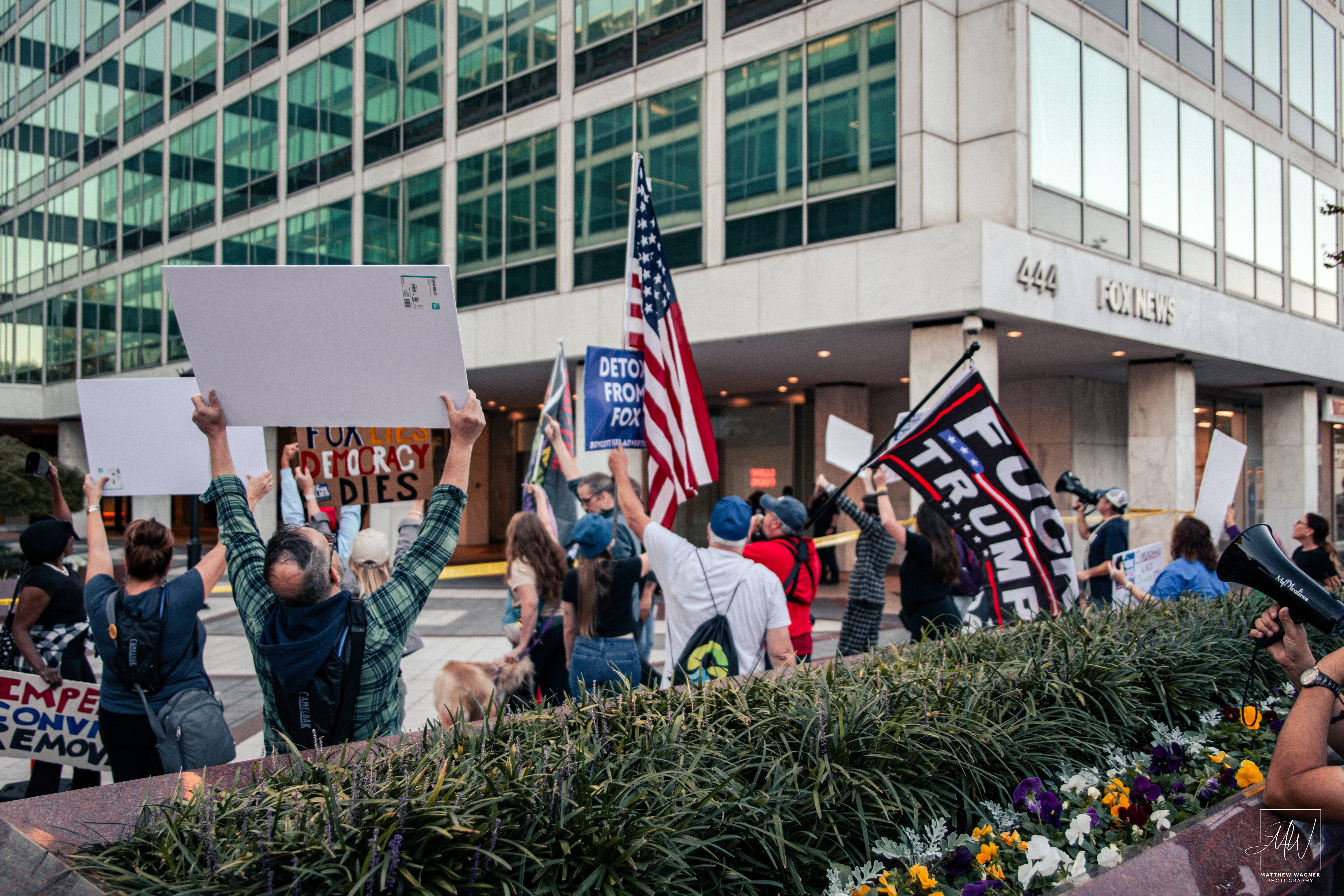
Most Americans no longer encounter journalism by seeking it out. They encounter it through feeds. That means the first draft of reality is increasingly written by a mix of corporate incentives and platform systems — what gets boosted, what gets buried, what gets demonetized, what never trends.
This is where modern suppression lives: not always in bans, but in friction.
• A story delayed until its moment passes.
• A segment pulled “pending review.”
• A reporter attacked until editors decide the risk isn’t worth it.
• A platform policy shift that quietly changes what information travels.
You can still have courageous journalists and still lose the functional benefits of a free press — because the public never sees the work, or sees it only after it’s been drained of reach and impact.
The “60 Minutes” controversy: a warning sign in plain view
That’s why the recent controversy around 60 Minutes matters beyond the specifics of one segment.
In December 2025, CBS pulled a 60 Minutes report on El Salvador’s CECOT mega-prison and the treatment of deported migrants shortly before its scheduled broadcast. The network cited the need for additional reporting, but the timing and internal dispute prompted public accusations of political pressure and corporate influence. The report then surfaced through other distribution channels, intensifying the question: why wasn’t the U.S. audience allowed to see it as planned?
In a healthy information environment, stories live or die on facts, verification, and editorial judgment — transparent, defensible, consistent. In a captured environment, stories live or die on leverage: ownership pressure, regulatory risk, and political consequence.
When even a flagship investigative program becomes a battleground over what is permitted to air, it’s not “inside baseball.” It’s a signal flare.
And it raises an unavoidable question: if this can happen to a premier institution, what happens to smaller outlets with fewer resources and less protection?
Billionaire control isn’t abstract when it changes what you’re allowed to know
Media ownership is not neutral. It shapes priorities, risk tolerance, and what gets called “responsible.” It also shapes what gets avoided.
When major media assets consolidate under executives and financiers with deep political, regulatory, and business interests, the incentive structure shifts. Journalism becomes something that must survive the owner’s ecosystem.
This is the problem with concentrated influence: it does not require explicit orders. It can work through anticipation. Editors learn what brings heat. Producers learn what triggers corporate anxiety. Over time, self-censorship becomes “prudence,” and prudence becomes policy.
That’s not how a free press is supposed to function. A free press is supposed to bite the hand that would prefer it muzzled.
The platform layer: when the public square is privately managed
Now add the reality that most Americans receive “news” through social media.
Platforms like TikTok and X are not just apps; they are distribution infrastructure — where stories go viral or go nowhere. When control of those platforms is shaped by ownership decisions, political pressure, and investor alignment, the public’s access to information becomes contingent.
And that’s the core danger: a society can keep the language of freedom while losing the substance of it. You can still “post,” still argue, still scroll — while the information environment is quietly engineered to keep certain realities out of view.
So ask the question plainly: if a story is suppressed, throttled, or drowned in noise, how would you know what you’re missing?
This isn’t a left-right fight. It’s a freedom fight.
Americans often process media capture through partisan reflexes - cheering when “the other side” suffers and panicking only when their own narratives are harmed. That instinct is understandable and fatal.
Because information control does not protect a faction. It protects power.
To Republicans who have started to recognize MAGA’s authoritarian drift: your concern is warranted. To those still comfortable because it feels like your team is winning: do not assume a control system built to silence critics will preserve your voice once it’s finished. Authoritarian power uses loyalty until it doesn’t need it.
A controlled information state doesn’t ask whether you are conservative or liberal. It asks whether you comply.
The long game: strategy, infrastructure, and a willing frontman
None of this is happening in a vacuum. Long-term political movements have openly outlined plans to reshape the federal government, weaken institutional independence, and centralize executive control. Critics point to the Heritage Foundation and related networks as key architects of that strategy — years in the making, designed to outlast news cycles.
In that environment, Donald J. Trump has functioned as a uniquely effective messenger: shameless, repetitive, and gifted at turning accountability into spectacle. He once boasted he could shoot someone on Fifth Avenue and not lose support — a line that was widely reported because it captured a central truth of modern politics: if you can dominate the narrative, consequences become optional.
And when consequences become optional for the powerful, rights become optional for everyone else.
The prison you don’t notice
There is a quote often attributed to Dostoevsky: “The best way to keep a prisoner from escaping is to make sure he never knows he’s in prison.”
That is the risk in front of us.
Not that Americans will wake up tomorrow behind barbed wire. But that the boundaries of freedom will shrink quietly — through “reasonable” restrictions, curated feeds, suppressed stories, and a public trained to distrust any journalism that challenges power.
You will still have a screen. You will still have slogans. You will still have the feeling of choice.
But if the people with the most to lose from accountability can shape what you see and what you believe is normal, then the cage won’t need locks. It will be built out of confusion and convenience.
So the concluding question is the most urgent one: if the same power players can influence what gets published, what gets promoted, and what gets buried—how long before the public becomes governable not through consent, but through managed reality?
The first step back is clarity
The first step to taking back control is not panic. It’s recognition.
Recognize the incentives. Recognize the ownership. Recognize the leverage. Recognize the platform systems. Recognize the pattern: truth narrowed, accountability delayed, the public exhausted.
Then do the work that free societies require:
Support independent reporting. Share original journalism, not just commentary. Diversify your sources. Demand transparency when stories disappear. Refuse the comfort of ignorance.
Because this is how it starts.
And if we accept a world where the story is owned, the facts are filtered, and the public is kept half-informed, then the ending is predictable: not freedom, but management — citizens reduced to consumers of curated reality, prisoners who are told they are free.
Keep thinking and writing. You have a strong and clear voice. We need you to not shut up!
THE COMMON GOOD MANIFESTO
A society built for people, not predators.
We are at our best when we invest in each other.
We are at our worst when we abandon the vulnerable.
This manifesto is how we return to the common good.
I. DIGNITY AND JUSTICE
1. Release the Epstein files — full transparency, no exceptions.
2. Impeach, convict, and imprison Donald Trump and every handler who enabled his corruption.
3. No federal office for any convicted felon.
4. End the weaponization of the justice system against the poor, immigrants, LGBTQ people, and marginalized communities.
II. DEMOCRACY THAT ACTUALLY WORKS
1. Abolish the Electoral College — one person, one vote.
2. Abolish ICE — replace it with humane immigration policy that honors human rights.
3. Ban gerrymandering with a standardized national apportionment method.
4. Two-term limits for every elected office.
5. Mandatory retirement at 70 for all elected officials.
6. Paper ballots only — end the era of hackable voting machines.
III. AN ECONOMY THAT SERVES PEOPLE
1. Restore 1950s-style progressive tax rates — when America was prosperous and fair.
2. Overturn Citizens United — corporations are not people.
3. Eliminate the Social Security payroll cap and tax capital gains for Social Security contributions.
4. $25 minimum wage indexed to inflation.
5. Medicare for All, one unified system — no A/B/C/D maze.
6. Congress receives Medicare, not boutique private insurance.
IV. WORKERS, CREATIVES, AND PUBLIC SERVANTS
1. Big pay raises for social workers, teachers, librarians, artists, and cultural workers — the people who actually hold society together.
2. Universal childcare — because families are the foundation of the nation.
3. Free public university education.
4. Full forgiveness of all student debt.
V. CLEAN GOVERNMENT
1. Root out corruption at every level, starting at the top.
2. Full financial transparency for every elected official, appointee, and senior bureaucrat.
3. Ban lobbying for former officeholders for life.
VI. THE FUTURE WE CHOOSE
We choose a country that values:
• Compassion over cruelty
• Community over greed
• Truth over propaganda
• Shared prosperity over billionaire hoarding
• Democracy over minority rule
• Human dignity over corporate profit
We choose a nation where the common good is not a slogan, but the organizing principle of public life.
And we refuse to apologize for demanding better.