


"They Will Find You": How Univision and Telemundo Sparked Outrage by Airing Deportation Ads
By Nelly Rubio
A Warning in Spanish
The ad looked like any other government announcement, until you heard the voice.
"If you are here illegally," it said in Spanish, "we will find you and deport you." Secretary Kristi Noem mouthed the words in English, but the broadcast was dubbed in Spanish. Images of migrants panicked, running parallel to the desert border fence and the flashing lights of government vehicles followed.
The ad wasn't airing on Fox News, it played on the two biggest Spanish-language networks in the United States, Univision and Telemundo.
For millions of Latino families, it was a shocking moment when their trusted stations - the ones that had long told their stories - were now broadcasting the threat of deportation in their own language.
Fear in the Living Room
You can only imagine how these Latino families felt - peacefully enjoying their favorite Novelas when suddenly they see an ICE advertisement warning them,"We will find you and deport you."

In that moment, their joy turns to fear, and they have to reassure themselves and their children that - despite the warning - no one is coming to take them away.
These ads have caused confusion and anxiety among Latino families, and the networks have been accused of putting government contracts above their viewers' well being
The Ad That Shook The Latino Community
According to investigations by L.A. TACO and The Bulwark, the Department of Homeland Security launched a multimillion-dollar campaign earlier this year to discourage undocumented migration and encourage "voluntary departure."
The 30 second ads, which began airing in March on Univision 34 and Telemundo 52 in Los Angeles, feature silhouetted figures running in the dark, helicopters overhead, and a grim voice warning, "The law will find you." DHS called it "public information," but we all know it was intimidation.
When Representation Becomes a Transaction
For decades, Univision and Telemundo have branded themselves as the heartbeat of U.S. Latino culture, broadcasting everything from telenovelas (soap operas) to nightly news and from election debates to World Cup matches. Yet, the broadcast of this ICE ad highlights the painful truth at the core of America: these networks value money over their own communities.
"When representation becomes transactional, you lose your moral center," said Dr. Elena Márquez, a media ethics professor at UCLA. "Spanish-language media were created to empower Latino audiences, not to profit from their fear."
A Fractured Trust
Latino advocacy groups are calling for public accountability, while petitions continue to circulate urging Univision and Telemundo to issue apologies and implement stricter advertising standards. Some longtime viewers have already stopped watching. Others say they no longer trust the networks that once represented them.
For decades, these networks provided a voice for millions of Latinos who rarely saw themselves reflected on English language TV. With just one 30 second ad, that trust is now broken.
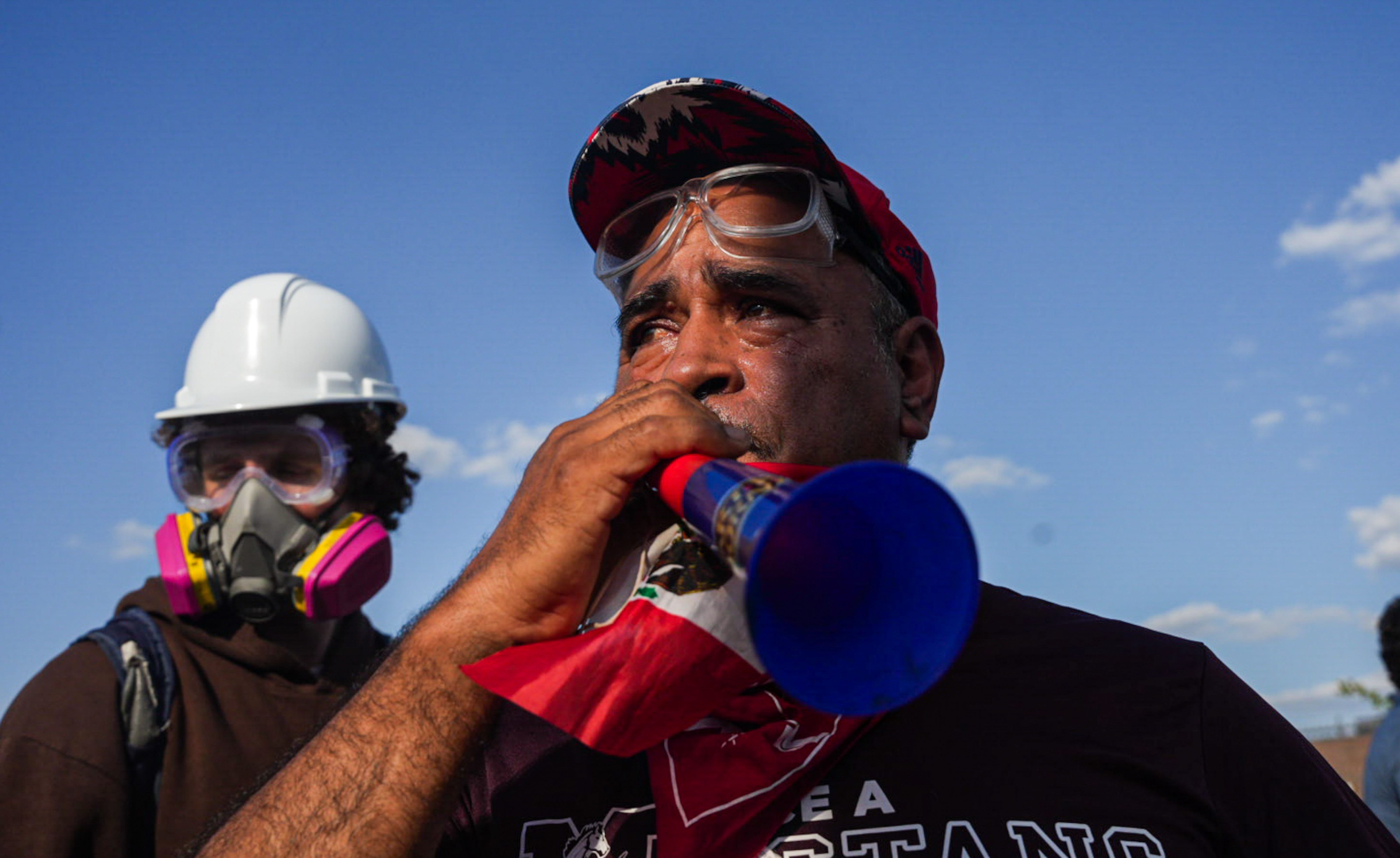
Telemundo and Univision prioritized profit over the very communities that helped elevate them into the major networks they are today.
The real question now is: Will they step up, take responsibility, and do right by the people they are supposed to represent? Or will they keep letting the Latino community down?